
Custom CRM development in Dubai and the UAE
Custom CRM development in Dubai for UAE businesses: built around your sales process and connected to WhatsApp, email, your ERP and accounting system.
What this involves
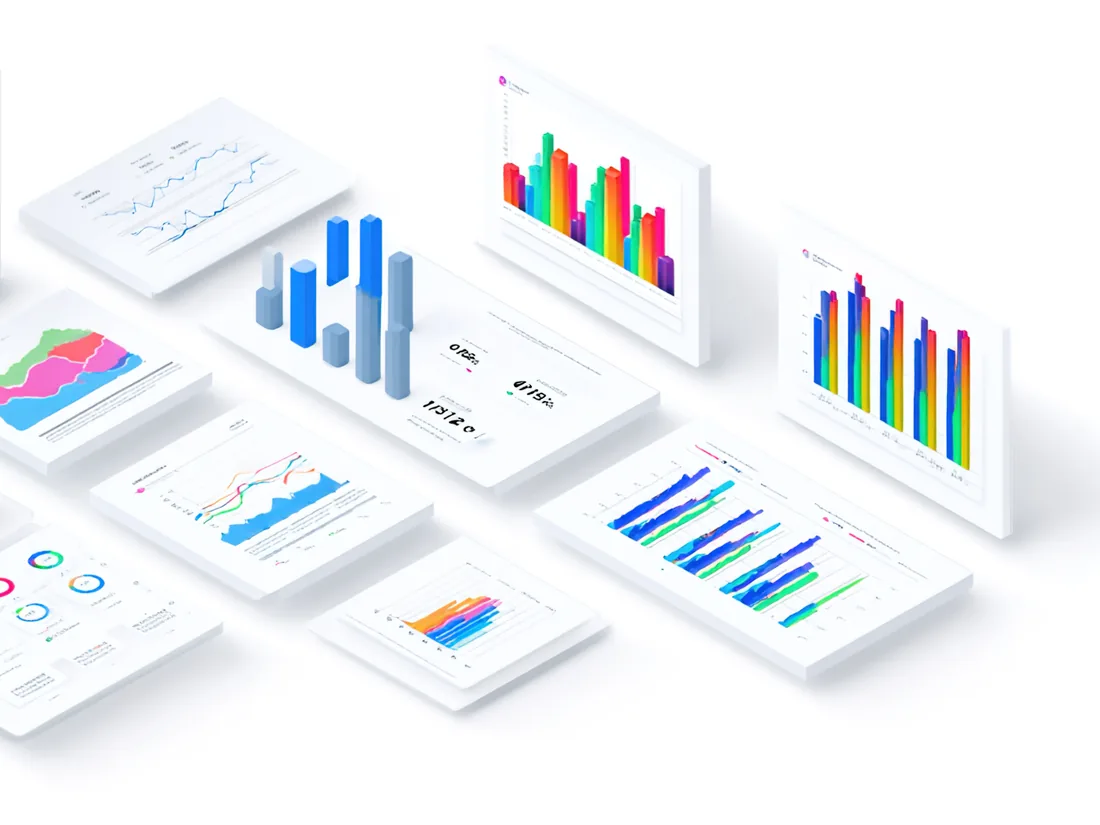
Most UAE businesses that come to us for a CRM are in one of two places: running their pipeline on spreadsheets and WhatsApp chats, or paying for a well-known CRM that never quite fits how they sell. A custom CRM is built around your actual process: how leads arrive, who they are assigned to, how quotations are prepared and approved, and what happens after the deal closes. We build CRMs for businesses in Dubai and across the UAE with lead capture and routing, pipelines and quotations, WhatsApp and email logging, customer self-service and the reports your managers actually use, connected to your ERP or accounting system so sales and finance work from the same customer record. We will also tell you plainly when Salesforce, HubSpot or Zoho is the better buy, and migrate your existing data carefully whichever route you take.
Questions
Signs you have outgrown spreadsheets or your current CRM
- Leads go missing
- Enquiries arrive by phone, website, WhatsApp and portals, and nobody can say with confidence which ones were followed up.
- The pipeline lives in someone’s head
- Forecasts depend on asking each salesperson, because the spreadsheet is always out of date.
- Quotations are rebuilt by hand
- Prices, discounts and approval limits are applied manually, and mistakes reach customers.
- Sales and finance disagree
- Customer details, credit status and invoice history live in a different system from the sales record.
- You pay for features nobody uses
- A subscription CRM has grown expensive per user, yet the team still keeps side spreadsheets for the things it cannot do.
- Reporting takes a day
- Monthly reports are assembled by exporting and merging data from several places.
Custom CRM or Salesforce, HubSpot or Zoho?
We are not against subscription CRMs. For many teams they are the right answer. The honest comparison looks like this.
- Cost model
- Subscription: recurring per-user licences plus add-ons and configuration. Custom: an upfront build plus hosting and maintenance, with no per-user fee.
- Fit
- Subscription: strong for standard B2B sales processes; unusual workflows need workarounds or paid customisation. Custom: built around your process from the start.
- Ownership and data
- Subscription: you rent the platform and work within its data model. Custom: the system and its data structure are built for you, on hosting you choose.
- Time to launch
- Subscription: faster to start, especially for simple pipelines. Custom: longer to first release, though a core pipeline can go live early.
- Integrations
- Subscription: excellent for the apps in its marketplace, harder for local or in-house systems. Custom: integrations designed for exactly the systems you run.
What a custom CRM can include
- Lead capture and routing
- Leads from web forms, landing pages, property or listing portals, WhatsApp and phone captured automatically, tagged by source and campaign, de-duplicated and assigned by rules such as area, product, language or round-robin.
- Pipeline and quotations
- Pipeline stages that match how you sell, quotations generated from your price lists with discount approval limits, VAT shown correctly, and PDF quotes in English and Arabic.
- WhatsApp and email logging
- Conversations and emails attached to the right contact, so anyone picking up an account can see the full history rather than asking a colleague.
- Customer portal and self-service
- A logged-in area where customers can see quotations, orders, documents and support tickets, which reduces routine status queries.
- Reporting and dashboards
- Conversion by source, response times, pipeline value by stage, salesperson activity and forecast, available live rather than assembled at month end.
Integrations: WhatsApp, email, telephony and your ERP
A CRM is most useful when it is not an island. We connect it to the WhatsApp Business Platform for messaging, to your email for conversation logging, to your telephony system for call logging and click-to-call where the provider supports it, and to your website and lead sources.
On the finance side, connecting the CRM to your ERP or accounting system means a won deal can become a sales order or invoice without re-keying, and salespeople can see a customer’s credit status and outstanding balance before promising terms. We agree which system owns each piece of data so the two never fight over it.
How we build it and migrate your data
- 1. Map the sales process
- Workshops with sales, management and finance to agree stages, rules, roles and reports.
- 2. Prototype
- Clickable screens for the pipeline, lead and quotation flows, reviewed by the people who will use them.
- 3. Build the core
- Contacts, companies, leads and pipeline first, so the team can start using the CRM early.
- 4. Migrate data
- Export from Excel or your current CRM, field mapping, cleaning and de-duplication, a trial import for you to check, then the final migration at an agreed cut-over.
- 5. Extend
- Quotations, integrations, portal and reporting added in later stages, guided by how the team actually uses the system.
Security, access control and PDPL
A CRM holds a large amount of personal data, so access control matters. We build role-based permissions down to who can see, edit, export or delete records, keep an audit log of changes, and restrict bulk exports to the people who genuinely need them.
Under the UAE Personal Data Protection Law you need a lawful basis for processing, sensible retention and a way to respond to requests from the people whose data you hold. We support consent records, retention rules and data export from the start. If you sell into a specific sector, such as real estate, we also build for its particular workflows.
Custom CRM Development by industry
All solutionsOther services
All servicesWeb Application Development
Custom web application development in Dubai and the UAE: portals, dashboards and internal tools, connected to your ERP, CRM and payment gateways.
Mobile App Development
Mobile app development in Dubai for iOS and Android: Flutter and React Native apps with Arabic support, UAE payments and App Store publishing handled.
ERP Software Development
Custom ERP software development for UAE businesses: finance, inventory, sales and operations in one system, ready for FTA VAT and UAE e-invoicing.
E-commerce Development
E-commerce development for UAE retailers in Dubai and Sharjah: Shopify or custom stores with card and BNPL payments, VAT invoices and local delivery.
Custom Software Development
Custom software development in Dubai for UAE businesses: internal systems, automation and integrations, scoped in stages, documented, tested and supported.
UI/UX Design
UI/UX design services in Dubai and the UAE: research, wireframes, prototypes and design systems for web and mobile, with proper Arabic and RTL support.
API Development & System Integration
API and system integration services in the UAE: we connect your ERP, CRM, e-commerce, payment and courier systems so data flows without manual re-entry.
Cloud, DevOps & Hosting
Cloud, DevOps and hosting services in the UAE: deployment pipelines, cloud infrastructure, backups and monitoring that keep production stable after launch.
Software Maintenance & Support
Software maintenance and support in the UAE: bug fixes, security updates, monitoring and improvements, including for systems another vendor built.
AI Integration
AI integration services for UAE businesses: document extraction, search, assistants and classification added to the systems you use, with PDPL in mind.
SaaS Development
SaaS development in Dubai: multi-tenant products with subscription billing, VAT-ready invoicing, onboarding and cloud hosting, from the team behind Muhasib.
Customer Portal Development
Customer portal development in Dubai for B2B firms: self-service ordering, statements, invoices, tickets and document exchange, connected to your ERP.
Business Process Automation
Business process automation services for UAE businesses: approvals, data entry, invoicing, reconciliations and reporting automated across your systems.
Related reading
More articles- CRM for Business Setup and PRO Service Companies in DubaiWhat a CRM for business setup and PRO service companies in Dubai needs: leads, licence applications, visas and renewals across many authorities.
- What a Dubai Brokerage CRM Needs to HandleWhat a Dubai brokerage CRM needs to handle: listings, portal syndication to Bayut and Property Finder, lead routing and commission splits, plus build vs buy.
- ERP vs CRM: What's the Difference and Which Comes FirstERP vs CRM explained for UAE SMEs: what each system does, where they overlap, which to implement first and how to connect them without double entry.
- Travel CRM for UAE Travel AgenciesWhat a travel CRM in the UAE should actually do: enquiries, quotes, WhatsApp, repeat travellers and agent performance. How to choose, configure or build one.
Let’s scope your project.
Tell us what you are building. We reply within one business day.