
Web, mobile, and custom software — Dubai, UAE
Engineering the systems your business runs on.
Zellarc designs and builds web applications, mobile apps, and integrated back-office systems for companies across the UAE and India — from first architecture to long-term maintenance.

- Building since
- 2020
- Delivery hubs — Dubai & Kerala
- 2
- Typical response time
- 24h
What we do
Solutions across the stack.
Nine practices, one delivery team. Select any service for detail.
Core practice
Development services.
Three practices carry most of our work. Each one is a full engagement — architecture, build, hand-over, and support.
Web Application Development
Custom web application development in Dubai and the UAE: portals, dashboards and internal tools, connected to your ERP, CRM and payment gateways.
Mobile App Development
Mobile app development in Dubai for iOS and Android: Flutter and React Native apps with Arabic support, UAE payments and App Store publishing handled.
Custom CRM Development
Custom CRM development in Dubai for UAE businesses: built around your sales process and connected to WhatsApp, email, your ERP and accounting system.
Web Application Development
A web application is not a brochure website. It is the logged-in, data-driven system your staff, customers or partners use to get work done: an approvals dashboard, a B2B ordering portal, a booking engine, a job tracker, or a full SaaS product. We build these for businesses in Dubai and across the UAE using React, Next.js and Node.js, and we connect them to the systems you already run, so orders, invoices and customer records move without anyone re-keying them. Every project is scoped around your actual process, delivered in stages you can review and use, and built to be maintained by whoever looks after it next. Where a website or an off-the-shelf product would do the job, we will tell you that before you spend money on a custom build.
- How much does it cost to build a web application in Dubai?
- It depends on the number of user roles and screens, the complexity of the business rules, how many systems the app must integrate with, whether it needs Arabic and English, and how much of your existing data has to be migrated. We give a written estimate after a short scoping exercise rather than a number before we understand the work. Our guide to what web development costs in Dubai explains the main drivers in more detail.

Mobile App Development
We design and build iOS and Android apps for businesses in Dubai, Abu Dhabi, Al Ain and across the UAE: customer apps for ordering, booking and loyalty, staff and field apps for drivers, technicians and sales teams, and companion apps for systems you already run. Most of our apps are built cross-platform in Flutter or React Native, which gives you one codebase for both stores, and we go native where the app genuinely needs it. An app is rarely just an app, so we also build the API and admin panel behind it, connect it to your ERP, CRM or payment gateway, and handle submission to the App Store and Google Play. We plan for Arabic and right-to-left layout, offline use where connectivity is patchy, and the OS updates that keep arriving after launch.
- How much does it cost to develop an app in Dubai?
- The main drivers are the number of screens and user roles, whether you need a new backend and admin panel or can use an existing one, integrations such as payments and maps, Arabic support, offline behaviour, and whether you need one platform or both. We estimate after a short scoping session. Our guide to mobile app development cost in Dubai covers the drivers in more depth.
Custom CRM Development
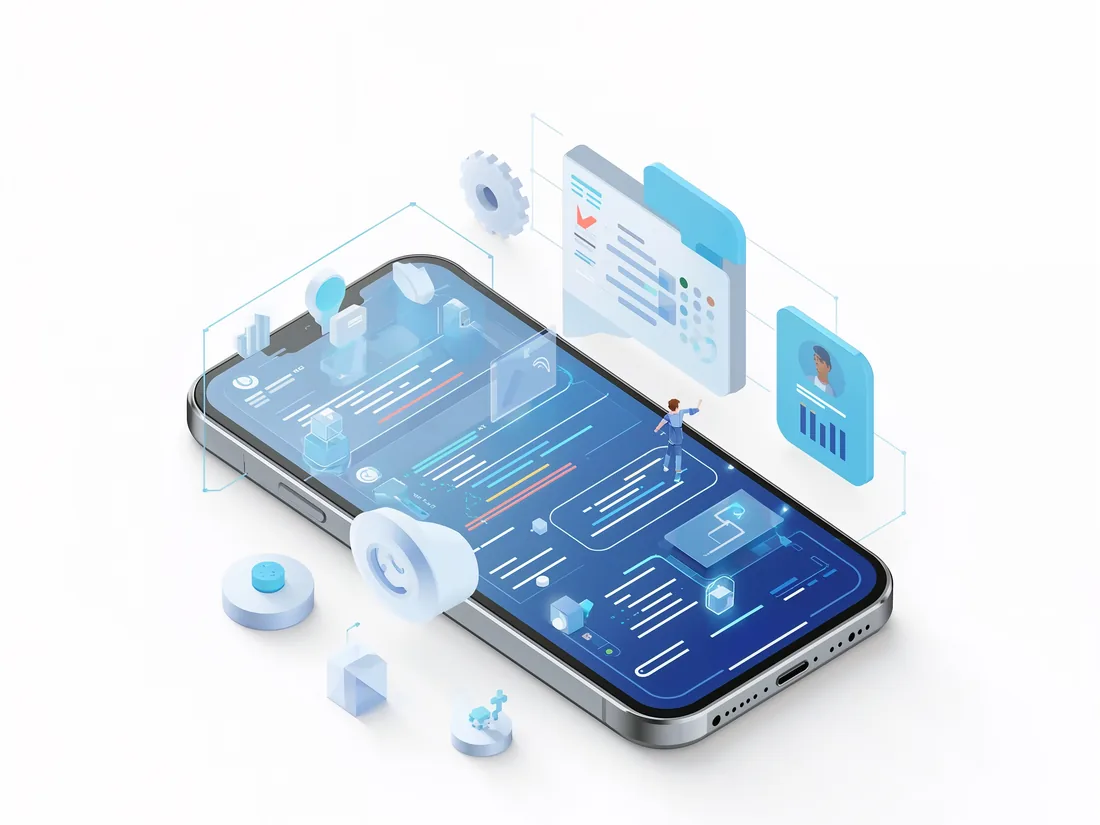
Most UAE businesses that come to us for a CRM are in one of two places: running their pipeline on spreadsheets and WhatsApp chats, or paying for a well-known CRM that never quite fits how they sell. A custom CRM is built around your actual process: how leads arrive, who they are assigned to, how quotations are prepared and approved, and what happens after the deal closes. We build CRMs for businesses in Dubai and across the UAE with lead capture and routing, pipelines and quotations, WhatsApp and email logging, customer self-service and the reports your managers actually use, connected to your ERP or accounting system so sales and finance work from the same customer record. We will also tell you plainly when Salesforce, HubSpot or Zoho is the better buy, and migrate your existing data carefully whichever route you take.
- Why choose a custom CRM over a product like Salesforce?
- Off-the-shelf CRMs are powerful, but they come with workflows, terminology and per-user licences designed for a generic sales team. A custom CRM is built for your process, which tends to mean higher adoption and less time spent working around the system. If your process is standard, a product is often the better choice, and we will say so.

Technology
The stack we build on.
We commit to tools that are stable, well supported, and boring in the best way — so the systems we hand over stay maintainable long after launch.
- Next.js
- React
- Node.js
- Python
- AWS
- PostgreSQL
- MongoDB
- Docker
- Flutter
- Kotlin
- Vercel
- Figma
- Angular
- MySQL
- PHP
- Shopify














Insights
From our engineering desk.
Notes on architecture, performance, and the decisions that make software last.
October 19, 2026
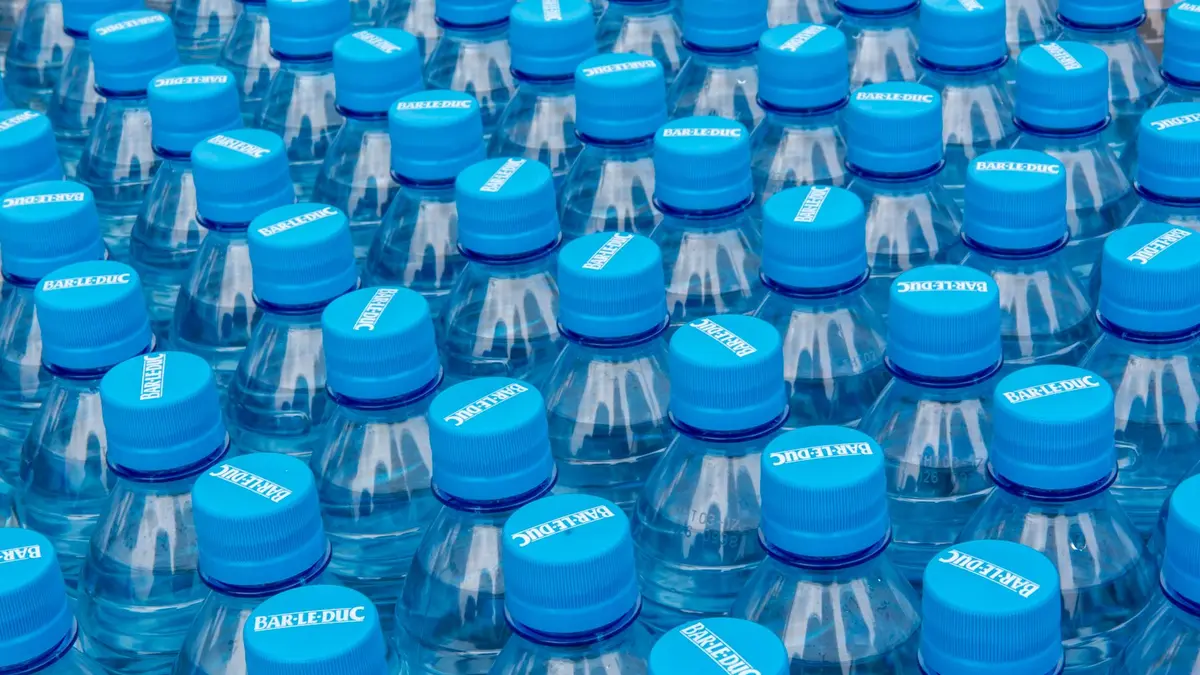
Route and Order Software for Water Delivery Companies in the UAE
What route and order software water delivery companies in the UAE need for routes, bottle returns, coupons and subscriptions, from app to depot.

October 13, 2026
How Much Does Custom Software Development Cost in the UAE
What drives custom software development cost in the UAE, why quotes vary so widely, the ongoing costs to budget for and how to get an estimate you can trust.

October 12, 2026
Compliance-Ready Software for UAE Exchange Houses
What compliance-ready software UAE exchange houses need for remittance and currency exchange under Central Bank supervision and AML/CFT rules.
Questions
Frequently asked.
If your question is not here, contact us — we answer within one business day.
Let’s scope your project.
Tell us what you are building. We reply within one business day.