Route and Order Software for Water Delivery Companies in the UAE
Suneeb · Founder, Engineering & delivery
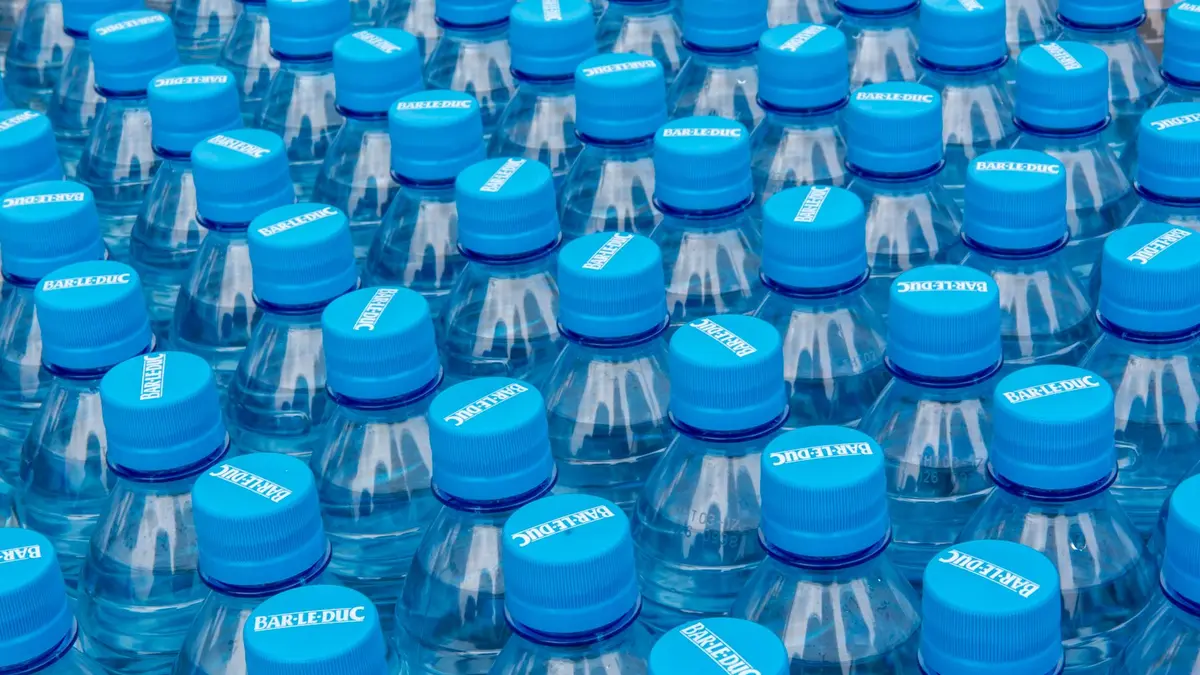
Bottled water delivery is a routine part of life in the UAE. Homes, offices, labour accommodation, schools and restaurants rely on regular deliveries of large returnable bottles and cartons of smaller bottles, and in the summer months demand rises sharply. The market includes large bottlers with their own fleets, regional distributors and smaller operators covering a few communities, all competing on reliability and convenience as much as price.
The operation sounds simple: take water from the plant to the customer, collect empties, and get paid. In practice, it is a dense logistics problem with thin margins. Drivers make many stops a day; customers want deliveries on particular days and times; bottles are a valuable asset that must come back; payments arrive as cash, coupons, prepaid credit and card; and complaints about missed deliveries spread fast. Route and order software is what turns that into a manageable operation.
Orders, subscriptions and customer channels
Customers order in several ways, and the software should bring them into one system:
- Standing orders — a regular delivery of a set number of bottles on fixed days, the backbone of most residential and office accounts.
- On-demand orders — placed through an app, website, WhatsApp or a phone call when a customer runs low.
- Coupon books and prepaid packages — customers buy a bundle of bottles in advance and redeem them per delivery.
- Corporate accounts — offices and businesses with credit terms, purchase order references, multiple delivery points and monthly invoicing.
- Equipment — dispensers and coolers sold, rented or loaned, with sanitisation and service schedules.
WhatsApp ordering is common and practical, ideally with a structured flow that records the order in the system rather than a free text chat someone transcribes later.
Route planning
Routes are where profit is made or lost. Good route planning groups customers by area and delivery day, sequences stops efficiently, respects time windows for offices and schools, and fits each route within vehicle capacity in both full and empty bottles. Fixed routes for standing orders can be built once and adjusted, while on-demand orders should slot into the nearest suitable route for the day. Real UAE conditions matter: traffic at peak times, Salik gates, restricted access in some communities, loading docks with booking rules, and service lift bookings in towers.
A planner who can see the whole day on a map, move stops between vehicles, and see the impact on time and distance will make better decisions than one working from a printed list.
The driver app
Drivers and delivery helpers need a straightforward mobile app that shows the route in order, customer notes such as gate codes and preferred drop points, and what to deliver at each stop. At the stop, they record bottles delivered and empties collected, take payment or redeem coupons, capture a signature or photo, and note any issues. Offline capability is important in basements and parts of some buildings with weak signal. Multilingual screens help, as many drivers are more comfortable in languages other than English.
Live vehicle tracking lets the office see progress, respond to customer calls, and send automatic notifications when the driver is on the way.
Bottle and asset tracking
Returnable bottles represent significant capital. Every customer has a bottle balance, the number of bottles they hold, often backed by a deposit. The system should update that balance at every delivery and collection, flag customers holding more bottles than their usual consumption suggests, and handle deposit refunds when accounts close. At the depot, counts of full and empty bottles loaded and returned per vehicle should be reconciled daily. Over time this data shows loss rates by area and by driver, which is often a surprise to management.
Dispensers and coolers on loan need similar tracking, including serial numbers, location and sanitisation dates.
Payments and cash control
Many water deliveries are still paid in cash at the door, which brings risk. The driver app should record every cash collection against the customer and invoice, produce a receipt, and give the driver a clear end-of-day cash summary to hand over. Card payments at the door, payment links and app-based payments reduce cash handling. Coupon redemption must be recorded precisely, since coupons are effectively prepaid revenue. Invoices for corporate customers and receipts for retail customers must meet FTA VAT requirements, and reconciliation with the accounting system should be automated.
Quality, regulation and the plant
Bottled water is a food product, and bottling plants and distributors operate under food safety and product standards set by federal and emirate authorities, such as Dubai Municipality in Dubai. Requirements cover areas like water quality, bottle sanitisation, labelling, storage and transport conditions. Software can support this by recording production batches, linking deliveries to batches so any recall can be targeted, tracking bottle washing and inspection, and monitoring storage conditions. Check the current requirements with the relevant authorities, as they can change.
Vehicle and driver records, including licences, vehicle registration and inspections, and staff health certificates where required, should be stored with expiry alerts.
Numbers to watch
Deliveries per route per day, bottles per stop, cost per delivery, on-time delivery rate, missed or failed deliveries and their causes, bottle loss rate, customer churn, outstanding cash and credit balances, coupon liability, and demand by area through the seasons. Comparing summer and winter demand by customer type helps with fleet and staffing planning for the hot months.
Off-the-shelf or custom?
Several route accounting and direct store delivery products exist, and some are specialised for water and beverage delivery. For many distributors, one of these, configured for local payments and WhatsApp ordering, is a sound choice. Custom development makes more sense when the business has a strong consumer brand and wants its own app, when bottle and deposit models are unusual, when it needs tight integration with plant production systems or an existing ERP, or when packaged products cannot handle the mix of residential, corporate and accommodation customers well. Often, a packaged route accounting core with a custom customer app and integrations is the most practical outcome.
Rolling it out
Avoid going live at the start of summer. Begin with customer data and bottle balances, which need careful verification before migration because the existing figures are often unreliable. Then introduce the driver app on a few routes, refine it with driver feedback, and extend to the whole fleet. Add the customer app and online ordering once the operational base is stable. Keep the first months focused on accurate stops, collections and cash; analytics can come once the data is trustworthy.
At Zellarc, we approach water delivery projects by riding along, at least figuratively, with drivers and planners to see where time, bottles and cash go missing. Then we recommend the simplest combination of products and custom work that fixes those problems.
Frequently asked questions
It plans efficient routes based on customer locations, delivery days, time windows and vehicle capacity, and gives drivers a clear sequence of stops, reducing time and fuel per delivery.
Yes. It maintains a bottle balance per customer, updates it with every delivery and collection, manages deposits, and reconciles full and empty bottles at the depot.
Yes. WhatsApp Business integration can capture orders in a structured way that goes straight into the system, alongside app, website and phone orders.
The driver app records every cash payment and coupon redemption against the customer, issues receipts, and produces an end-of-day summary for reconciliation with the office.