Field Service Software for AC and Home Maintenance Companies in the UAE
Suneeb · Founder, Engineering & delivery
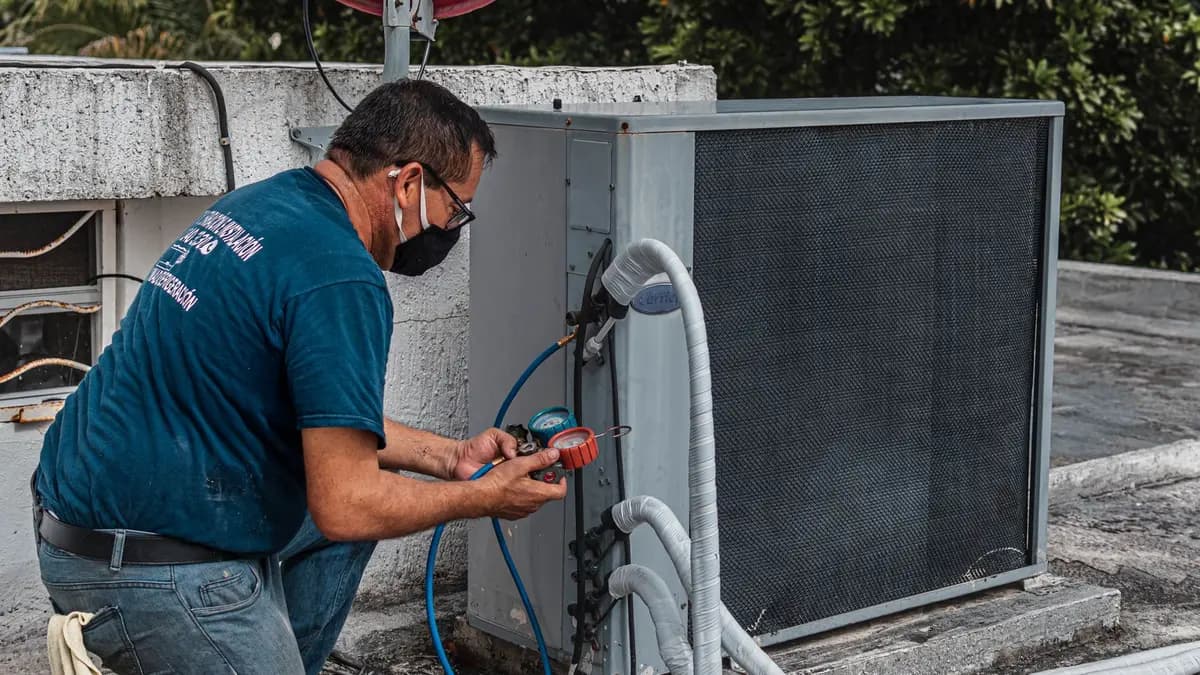
In the UAE, air conditioning is not a comfort; it is infrastructure. When an AC unit fails in July, the customer wants a technician today, not tomorrow. AC and home maintenance companies, from small teams covering a few communities to large facilities management firms, operate under that pressure for months every year. Alongside the reactive calls, they handle annual maintenance contracts, duct cleaning, plumbing, electrical and handyman work, and the steady stream of move-in and move-out jobs that come with a mobile population.
Most of these businesses start with a phone, a WhatsApp group and a spreadsheet of jobs. That works until it does not: a technician turns up without the right part, two jobs are booked in the same slot, a contract renewal is missed, or nobody can say how many callbacks the team had last month. Field service software exists to fix exactly those problems, and the good ones are built around how technicians actually work, not how the office imagines they work.
The job lifecycle
Every job, whether a one-off repair or a scheduled service visit, follows a similar path. The software should handle each stage cleanly:
- Booking — calls, WhatsApp messages, website forms and app bookings all land in one queue, with the customer's address, unit details and issue captured in a consistent format.
- Triage and pricing — the dispatcher can see whether the customer has an active contract, what is covered, and what call-out or inspection charge applies.
- Scheduling and dispatch — jobs are assigned based on technician skills, location, availability and the parts in their van.
- On-site work — the technician sees job history, follows a checklist, records findings, takes before and after photos, and adds parts and labour.
- Quotation for additional work — if a compressor needs replacing, the technician raises a quote on the spot and the customer approves it on their phone.
- Completion and payment — the customer signs off, pays by card or link, and receives a VAT invoice and service report automatically.
- Follow-up — the next scheduled service is set, and any callback is linked to the original job.
Annual maintenance contracts
AMCs are the backbone of a stable AC business. They smooth revenue through the year and give a reason to keep in touch with customers. Managing them well means tracking each contract's coverage, the units and locations included, the number of scheduled visits, what has been completed, and when renewal is due. The system should generate the scheduled visits automatically, remind customers before each one, and alert the sales team well before expiry. Reporting on contract profitability, comparing revenue with the actual labour and parts consumed, often reveals that some contract types are underpriced.
Commercial contracts for buildings, retail units and offices add service level agreements: response times, resolution times and reporting obligations. The software should track those clocks and show the client a clear record of performance.
The technician app
The mobile app is where field service software succeeds or fails. Technicians are busy, often working in hot plant rooms or on rooftops, and will not use an app that is slow or fussy. It needs large buttons, offline support for basement plant rooms with no signal, quick photo capture, and minimal typing. Language matters too; many technicians are more comfortable in Hindi, Urdu, Malayalam, Tagalog or Arabic than in English, so simple multilingual labels or icon-led screens help adoption.
The app should also show the van stock, so a technician can see whether they have the right filter, capacitor or refrigerant before they set off, and record what they used so stock stays accurate.
Summer peaks and scheduling reality
Demand in the UAE is sharply seasonal. In the hottest months, call volumes rise and urgent breakdowns compete with scheduled AMC visits. Scheduling has to reflect real travel times across the city, the reality that some jobs take much longer than booked, and the MOHRE midday break rules that restrict outdoor work during summer hours. Check the current dates and hours each year, as they are announced annually. A scheduling board that makes it easy to reshuffle jobs, and that tells customers honestly when the technician will arrive, reduces both stress and complaints.
Building access is another local factor. Many towers and communities need advance gate passes, contractor permits or service lift bookings, and the software should prompt for these at booking rather than leaving the technician stuck at the security desk.
Compliance, safety and records
Depending on the work you do, there may be licensing and safety requirements from Dubai Municipality, Civil Defence for fire-related systems, or the equivalent authorities in other emirates, plus your own trade licence activities through DET or a free zone. Refrigerant handling also carries environmental obligations. Software can keep certifications, licences and technician qualifications on record with expiry alerts, and keep a clean audit trail of work performed. Check the specific requirements for your activities with the relevant authority, as they vary by emirate and type of work.
Customer data, including addresses and access codes, must be protected in line with the UAE's personal data protection law. Technicians should see only what they need for their current jobs.
Integrations
Common integrations include accounting software for invoices and payments, payment links and card terminals for on-site collection, WhatsApp Business for booking confirmations and technician arrival updates, and GPS tracking for vans. Larger companies working for facilities management clients may need to exchange work orders with the client's own CAFM system, which is worth raising early as it can shape the whole design.
Numbers that matter
First-time fix rate, average response time for urgent calls, jobs per technician per day, callback rate within thirty days, AMC renewal rate, revenue and margin per job type, and parts usage against stock. Customer ratings collected after each job are a useful early warning for training needs.
Buy, configure or build?
There are many field service platforms available, and for a company whose processes match theirs, they are a sensible choice. They bring mature mobile apps and scheduling engines. The friction usually comes with AMC structures that do not fit, local payment and messaging needs, multilingual technicians, or reporting the owner actually wants. Custom software makes sense when your contract model is a competitive advantage, when you serve large commercial clients with specific reporting, or when you have tried a platform and found your team working around it. Many companies land in between: a platform for scheduling and mobile, plus custom integrations and reports.
Getting started
Roll out in the cooler months, not in June. Begin with booking, scheduling and the technician app for reactive jobs, then bring AMCs into the system with their visit schedules. Migrate active contracts and customer equipment records carefully, since that history is valuable. Train dispatchers and technicians separately, and listen to the technicians' feedback in the first few weeks; small fixes to the app make a big difference to adoption.
At Zellarc, our work in field service starts with a ride-along mindset: understanding the dispatcher's day and the technician's day before designing screens. Then we help you decide whether to configure an existing platform, extend it, or build something specific to your contracts and customers.
Frequently asked questions
It is software that manages bookings, scheduling, technician dispatch, on-site job records, quotes, invoicing and maintenance contracts for businesses whose work happens at the customer's location.
Yes. Good systems track contract coverage, generate scheduled visits, remind customers, alert staff before renewal, and report on contract profitability.
It should. Offline support is important for basements and plant rooms. The app stores job data locally and syncs once a connection is available.
Yes. Customers can book through a website, app or WhatsApp, receive arrival updates, approve quotes on their phone, and pay by card or payment link on completion.