Digital Operations for Oil and Gas Service Companies in the UAE
Suneeb · Founder, Engineering & delivery
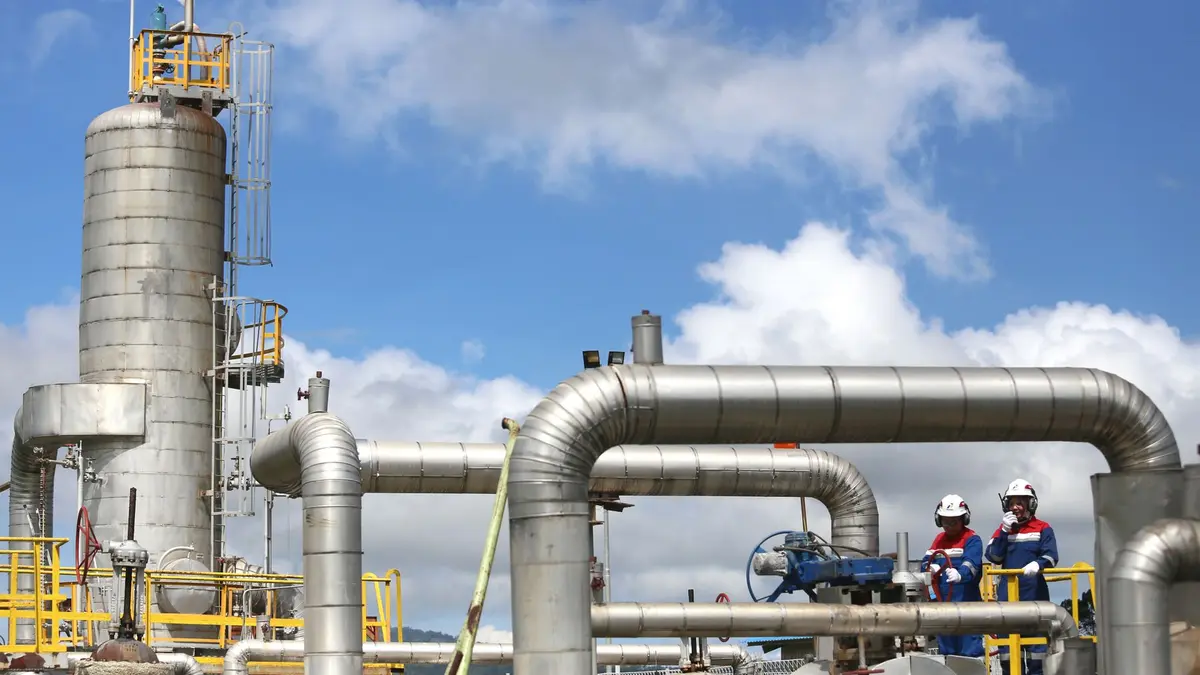
The UAE's oil and gas sector is dominated by large national operators and international majors, but much of the day-to-day work is delivered by service companies: inspection and testing firms, equipment rental and maintenance providers, manpower suppliers, fabrication yards, calibration labs, logistics and marine support, and engineering contractors. These companies sit between demanding clients and a complex field reality, and their margins depend on how well they manage people, equipment and paperwork.
For a service company, the challenge is rarely the technical work itself. It is proving, quickly and reliably, that the right certified person used the right calibrated equipment under the right permit, that the job was done safely, and that the timesheet and invoice match what the client approved. When that information lives in email threads, shared drives and personal spreadsheets, audits become painful, invoices get disputed and cash flow suffers.
The operational backbone
Most oil and gas service businesses need software that ties together a set of connected records. When these are separate, the same information is re-entered several times and errors creep in.
- Personnel and competency — each employee's qualifications, certifications, medicals, site inductions and training expiry dates, so you know who can be mobilised to which site today.
- Equipment and calibration — every tool, instrument and rental asset with its certification and calibration status, inspection history and current location.
- Job and work order management — from client call-off or purchase order through mobilisation, execution and demobilisation, with the scope and rates attached.
- Field reporting — daily reports, inspection results, test data and photos captured on site, ideally on a tablet rather than paper that is typed up later.
- Timesheets and service tickets — hours and equipment days signed off by the client representative, forming the basis for invoicing.
- HSE records — toolbox talks, risk assessments, permits, incidents, near misses and corrective actions.
Compliance is part of the product, not an afterthought
Oil and gas clients in the UAE typically impose their own contractor requirements on top of general UAE law: pre-qualification, HSE management systems, document control standards and audit rights. Many service companies also work towards ISO certifications for quality, environment and occupational health and safety. All of this produces a heavy documentation load.
Good software reduces that load by making compliance a by-product of normal work. When a technician is assigned to a job, the system checks that their certificates and medicals are valid for that site. When equipment is issued, it checks calibration status. When a report is submitted, it is version-controlled and linked to the job. When an incident occurs, it triggers an investigation workflow with actions and owners. Because client and regulatory requirements vary and change, these rules should be configurable rather than built in as fixed logic.
On the people side, UAE labour rules apply as they do for any employer: MOHRE work permits, visa and Emirates ID management through ICP or GDRFA processes, and salaries paid through WPS. Service companies with large rotational workforces benefit from tracking visa and permit expiries alongside technical certifications, because an expired document stops a mobilisation just as surely as a missing qualification. Emiratisation requirements under Nafis also apply to many private sector employers and are worth tracking in HR reporting.
Working at remote sites
Much of the work happens at onshore sites, offshore platforms, plants and yards where connectivity is limited or tightly controlled. Field apps need to work offline, store data securely on the device, and sync when connection is available. Forms should be designed for gloves, sunlight and time pressure: large controls, minimal typing, photo capture, and pre-filled data from the job record.
Security is also a real consideration. Clients may restrict which devices can be used on site and how data leaves their facilities. Some service companies need to separate client data clearly, so one client's reports and drawings are never visible to staff working on another contract. Role-based access and audit trails are basic requirements in this sector.
From field ticket to invoice
One of the clearest returns from digitising oil and gas service operations is in billing. In many companies, invoices are delayed by weeks because timesheets are on paper, rates are buried in contracts, and the client's purchase order references must be matched manually. Every delay pushes payment further out, and large clients often have strict invoicing portals and formats.
When signed service tickets, approved timesheets and equipment days flow directly into invoicing with the correct contract rates and PO references, invoices go out faster and with fewer disputes. Integration with the company's accounting or ERP system, and VAT-compliant tax invoices, complete the loop. Where clients use supplier portals, the system can at least prepare the data in the format they expect, even if the final upload is manual.
Reporting for management and clients
The useful indicators are fairly consistent across service companies: utilisation of personnel and equipment, revenue and margin per contract, days sales outstanding, certificate and calibration expiries in the next thirty, sixty and ninety days, HSE leading and lagging indicators, and job turnaround times. Clients increasingly expect regular performance reports as part of contract reviews, and producing them from live data is far easier than assembling them by hand each month.
Buy, build or combine?
There are established products for parts of this picture: HSE management platforms, asset and calibration tracking tools, ERP systems with project modules, and workforce management software. A company with fairly standard processes may get a long way by selecting and integrating a few of these well.
Custom development tends to make sense where the company's competitive edge lies in how it runs jobs: a specific inspection workflow, a particular reporting format clients value, rental fleet management with complex rates, or the need to bring competency, equipment, jobs and billing into one coherent record. A common pattern is to keep accounting in an established system and build a custom operations layer that connects to it.
The biggest risk is buying several unconnected tools and ending up with the same duplication you started with. Whatever the mix, the design should start from the job record and how information flows from mobilisation to invoice.
Rolling out in a live operation
Service companies cannot pause operations for an implementation. A sensible path is to start with the personnel and equipment registers, because they are the foundation and expose data quality issues early. Then move one contract or one service line onto digital job management and field reporting, refine it with real feedback, and expand. Migrating certificate records accurately is important; it is worth verifying expiry dates against the actual documents rather than trusting an old spreadsheet.
At Zellarc, we approach oil and gas service projects by mapping the full path from client request to cash received, and identifying where information is re-entered or lost. We are realistic about what should be bought and what should be built, and we design field tools for the conditions technicians actually work in.
Frequently asked questions
Yes. If competencies and site requirements are recorded, the system can warn or block assignments where a certificate, medical or induction is missing or expired. The rules should be configurable per client and site.
They can, if designed for offline use. Data is stored securely on the device and synced when a connection is available, subject to the client's own device and data policies.
It helps significantly by keeping controlled documents, training records, calibration history, incidents and corrective actions in one place with audit trails. Certification itself still depends on your management system and the external auditor.
Usually, through APIs or structured data exports. We assess the accounting system early in the project and are clear about what level of integration is realistic.