Software for Gold and Jewellery Businesses in Dubai
Suneeb · Founder, Engineering & delivery
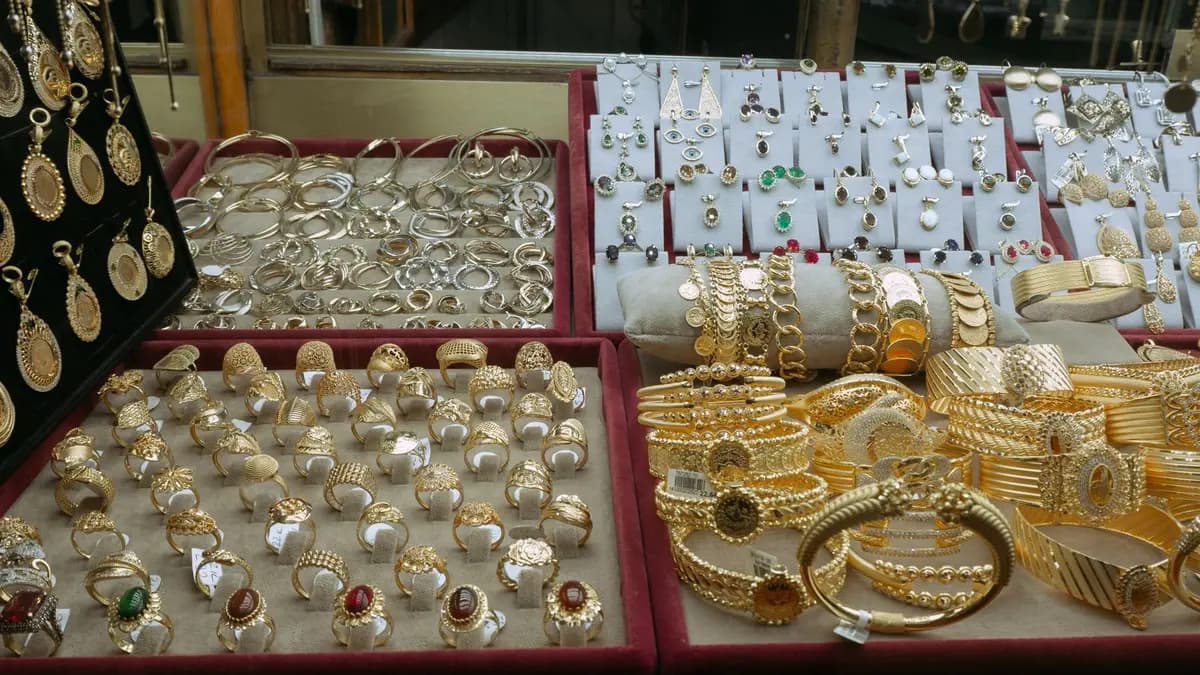
Dubai's gold and jewellery trade is one of the oldest and most recognisable parts of its economy, from the traditional souk to mall showrooms, wholesalers, refiners and manufacturers. It is also a business with unusual software needs. Prices move with the gold rate during the day, items are priced partly by weight and purity, customers trade in old gold as part of a purchase, and every piece in the display case is high value and needs to be accounted for. On top of that, dealers in precious metals and stones have significant anti-money-laundering obligations.
General retail or accounting software rarely handles this properly. It assumes fixed prices and simple stock, and it does not understand grams, karats, making charges or the difference between gold weight and stone weight. Many jewellers end up with a mix of a basic POS, a separate stock spreadsheet and a manual AML register, which is both inefficient and risky.
Pricing that follows the gold rate
The central feature of jewellery software is pricing based on live or daily rates. The price of a gold item is typically built from several parts, and the system should calculate it consistently every time:
- Metal value — net gold weight multiplied by the current rate for that purity (24K, 22K, 21K, 18K and so on), updated as rates change during the day.
- Making charges — per gram or per piece, set by design, collection or supplier, and sometimes negotiable within limits set by management.
- Stones and other components — diamonds, precious stones and pearls priced separately, often with their own certificates and characteristics.
- VAT — applied according to the rules for the type of transaction, which differ for retail jewellery, investment gold and dealer-to-dealer trades.
Rate changes should flow through to the point of sale automatically, with a clear record of the rate used for each sale. Discounts on making charges should be controlled by user role, so the owner knows exactly how much margin is being given away.
Tag-level inventory control
In jewellery, inventory is managed piece by piece. Each item needs a unique tag, usually a barcode or RFID label, recording gross weight, net gold weight, stone weight, purity, design code, supplier and cost. Daily or even shift-level stock checks are common, and the system should make them fast: scan the trays, compare against the expected list and highlight anything missing.
Items also move constantly: between showroom and safe, between branches, out on approval to customers, to workshops for repair or resizing, and back to suppliers. Each movement needs to be recorded. For wholesalers and manufacturers, the system also has to track gold issued to craftsmen or workshops and the weight returned, including allowable loss, which is one of the main sources of hidden cost in the trade.
Old gold exchange and repairs
Many customers in the UAE trade in old jewellery as part of a new purchase. The system needs to record the old gold received, its weight and purity after testing, the rate applied and any deductions, and offset the value against the new sale. That gold then has to be tracked as stock to be melted, refined or resold. Repairs and custom orders follow their own flow, with deposits, gold supplied by the customer, workshop instructions, expected dates and customer notifications when the item is ready.
AML and regulatory obligations
Dealers in precious metals and stones are designated as reporting entities under the UAE's anti-money-laundering framework, supervised for this sector by the Ministry of Economy. In practice that means customer due diligence for transactions above set thresholds, particularly cash transactions, record keeping, screening against sanctions lists, and reporting suspicious transactions and certain threshold transactions to the UAE Financial Intelligence Unit through its goAML system. The specific thresholds and procedures are set in the regulations and guidance, and they are updated, so check current requirements with the Ministry and your compliance adviser.
Software can make compliance much more reliable. It can prompt staff to capture ID when a transaction requires it, store customer documents securely, screen names against sanctions lists, flag patterns such as several cash purchases just under a threshold, and prepare the data needed for reporting. A manual register depends on every staff member remembering the rules during a busy evening; a system makes the rules part of the sale.
VAT is another area to handle carefully. The UAE has specific treatment for investment precious metals and for gold and diamond trades between VAT-registered businesses, which differs from standard retail jewellery sales. Your software should support the correct treatment for each transaction type, and your tax adviser should confirm the configuration.
Customer experience and channels
Jewellery customers include residents buying for weddings and festivals, tourists, and repeat buyers who want to be recognised. Customer profiles with purchase history, preferences and important dates help staff build relationships. Online catalogues, WhatsApp sharing of designs and prices, and appointment booking for bridal or high-value pieces are increasingly expected. Many showrooms also display live rates on screens, which should come from the same source as POS pricing so customers see consistent figures. Arabic and English receipts and certificates are worth supporting.
Reports a jeweller needs
The essential reports include stock by weight and purity as well as by value, making charge margin, discounts by staff member, old gold received and its status, workshop issue and return balances, sales by collection and supplier, and stock ageing. For multi-branch businesses, consolidated stock and sales by branch are critical. AML reports should be available instantly for audits.
Off-the-shelf or custom?
There are specialist jewellery ERP and POS packages, some designed for the Gulf market, and for many retailers they are a good fit. Before choosing one, check how it handles rate updates, old gold, workshop gold balances, AML workflows and your accounting integration.
Custom development is more common among wholesalers, manufacturers and groups with an unusual mix of retail, wholesale and workshop operations, or among retailers who want their own online store and customer app tightly integrated with stock. A combination often works well: a specialist core system with custom modules for AML, e-commerce or management reporting.
Implementation in a high-value environment
Migration in jewellery means re-tagging or verifying every piece, which is time consuming but essential. Plan a full stock count, load accurate item data, and test pricing against real sales before going live. Role-based permissions should be set carefully from day one. Staff training should cover both the sale process and the compliance steps, because those are the areas where mistakes are most costly.
When we work with jewellers, we spend time understanding how the business handles rates, making charges and old gold before designing anything. Those details vary more than people expect, and the software has to match them exactly.
Frequently asked questions
Yes. Jewellery software can apply rate updates to all relevant items, recalculating metal value by weight and purity while keeping making charges and stone values separate.
It can prompt for customer due diligence when needed, store ID documents, screen against sanctions lists, flag unusual patterns and prepare data for reporting. Thresholds and procedures should be confirmed with the Ministry of Economy and your compliance adviser.
Good systems track gold issued and returned by weight and purity for each workshop or craftsman, including permitted losses, so balances are always known.
Some transactions, such as investment gold and certain trades between registered businesses, have specific VAT treatment. The software should support each case, and your tax adviser should confirm the setup.