Grocery and Supermarket Technology in the UAE
Suneeb · Founder, Engineering & delivery
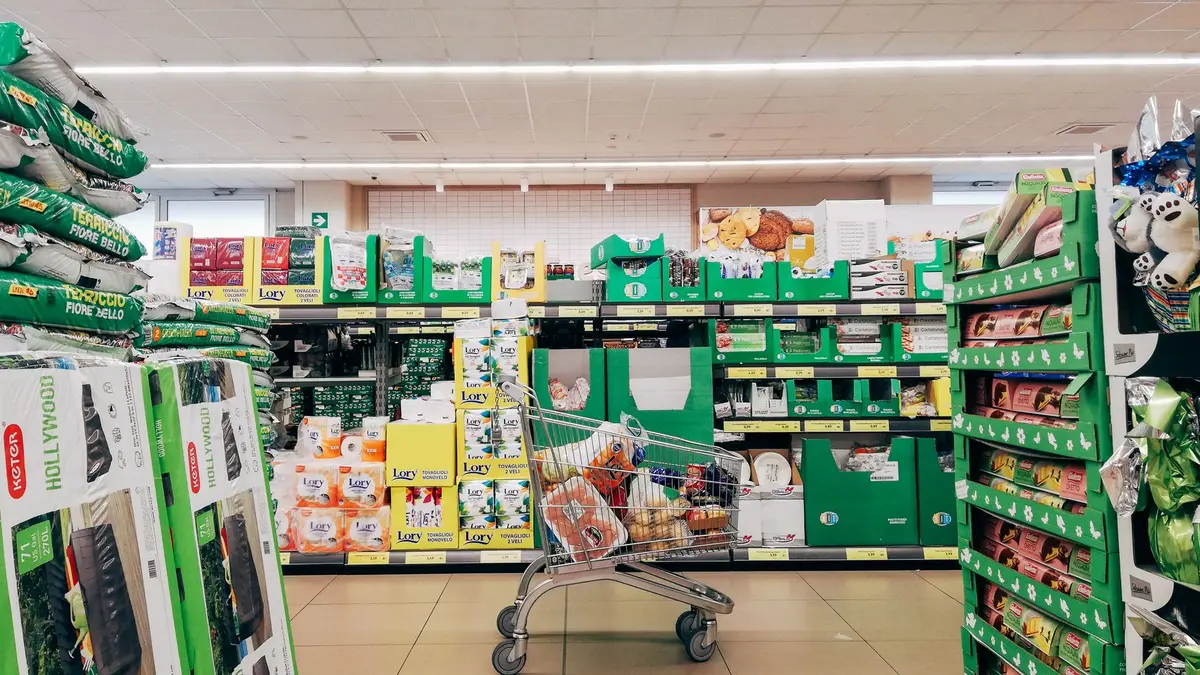
Grocery in the UAE covers a wide range of businesses: hypermarkets, neighbourhood supermarkets, the corner groceries that deliver to every building in the area, specialist stores for organic, Asian or European products, and online-only operations promising delivery in under an hour. They share a few hard facts. Margins are thin, thousands of products move every day, fresh food spoils quickly, and customers have plenty of alternatives, many of them a tap away on a delivery app.
In that environment, technology is less about innovation and more about control. A grocery operation that knows its stock, its waste and its margins by product can make decisions daily. One that relies on staff memory and end-of-month reports is always reacting too late.
The checkout still matters most
The point of sale is where customers judge the store. It needs to be fast, reliable and able to keep trading if the internet drops. In grocery that means handling barcode scanning at speed, weighed items from integrated scales, price-embedded barcodes for fresh counters, multiple payment methods, promotions applied automatically and loyalty points recorded without slowing the queue.
Behind the till, price and promotion management is a constant job. Price changes need to reach every till and shelf label at the same time, and promotions (multibuy, bundle, member price) must apply correctly. Electronic shelf labels are becoming more common in larger stores because they remove one of the most common sources of customer complaints: a shelf price that does not match the till.
Inventory, freshness and waste
Grocery inventory is a mix of long-life packaged goods and fresh products with short lives. Both need different handling:
- Automated replenishment — reorder suggestions based on sales history, lead times and seasonality, rather than a staff member walking the aisles with a notebook.
- Batch and expiry tracking — especially for chilled and fresh products, so older stock is sold first and items nearing expiry can be marked down in time.
- Waste recording — every write-off recorded with a reason, which turns waste from a vague cost into a number you can manage.
- Supplier and direct-store delivery — many suppliers deliver directly to stores, so goods received needs to be checked against purchase orders at the store.
- Stock counts — cycle counts by category with handheld devices, rather than closing the store for a full count.
Food safety and UAE requirements
Food retailers operate under food safety requirements set by municipal authorities, including Dubai Municipality in Dubai and the relevant authorities in other emirates. These typically cover temperature control, storage, labelling, hygiene and staff training. Software can help by logging fridge and freezer temperatures (manually or from connected sensors), keeping cleaning and inspection checklists, and allowing products to be traced back to supplier batches if there is a recall. Labelling rules for imported food, including Arabic labelling, apply at the product level and should be part of supplier onboarding. Check current requirements with your local authority, as they are updated over time.
On the finance side, VAT at 5% applies to most grocery items, while certain items may have different treatment, so product tax codes must be set up correctly. Invoices and receipts should meet FTA requirements.
Delivery and online ordering
Delivery is now a basic part of grocery in the UAE. Many stores sell through third-party apps, run their own WhatsApp ordering and may also have their own app or website. Each channel brings its own demands. Third-party apps require accurate stock and prices to avoid substitutions and cancellations; own-channel ordering needs a picking process, delivery slots and riders or drivers.
The key is a single stock and product database feeding all channels, so online customers only see what is actually available. A picking app that guides staff through the store, handles substitutions with customer approval and records weights for variable-priced items makes online orders much more efficient. For larger operations, a dark store or dedicated picking area changes the layout and process, and the software needs to support that.
Loyalty and customer data
Grocery loyalty programmes in the UAE are well established, and customers expect member prices and personalised offers. The real value is in the data: what customers buy, how often and in which store. Used carefully, it helps decide range, promotions and store layouts. Personal data should be handled in line with the PDPL, with clear consent and limited access.
Reporting that drives daily decisions
Useful grocery reports are frequent and specific: sales and margin by category and product, waste by category and reason, stock availability on key lines, promotion performance after the promotion, supplier fill rates, basket size and frequency, and online order performance including substitution and cancellation rates. Store managers need a simple daily dashboard; head office needs the same data across all stores.
Off-the-shelf or custom?
Grocery retail is well served by established retail ERP and POS systems, and most supermarkets should build on one of them. Building a grocery POS from scratch is rarely sensible, given the hardware integrations and reliability required.
Custom development usually earns its place around the core: an own-brand delivery app, a picking and dispatch system, integrations with delivery platforms and suppliers, a loyalty programme with specific mechanics, or analytics that combine data from several systems. Smaller independent groceries may find a cloud POS with built-in delivery integrations more than adequate, and we would recommend that over a custom project.
Phasing the change
Supermarkets cannot close to change systems. Start by cleaning the product master data (barcodes, names in Arabic and English, tax codes, units and suppliers), because poor data affects every other system. Pilot new POS or stock systems in one store, then roll out store by store. Online ordering and delivery integrations can follow once stock accuracy is reliable. Staff training should be short, hands-on and repeated for new joiners, given staff turnover in retail.
When we work with grocery businesses, we focus on stock accuracy and data quality first. Delivery apps, loyalty and analytics all depend on them, and fixing them later is always harder.
Frequently asked questions
Track batches and expiry dates, order based on sales history, mark down items close to expiry in time, and record every write-off with a reason. Measuring waste is the first step to reducing it.
It depends on volume and customer loyalty. Many stores do well on third-party apps plus WhatsApp ordering. An own app makes sense when you have enough repeat customers to justify it and want to own the relationship.
It should. Grocery POS systems should support offline mode and sync transactions when connectivity returns. Check this carefully when choosing a system.
Feed all channels from one central stock and product database, sync automatically and keep buffer stock on fast-moving items. Manual updates usually lead to cancellations and substitutions.