Laundry Management Software for UAE Laundry Businesses
Suneeb · Founder, Engineering & delivery
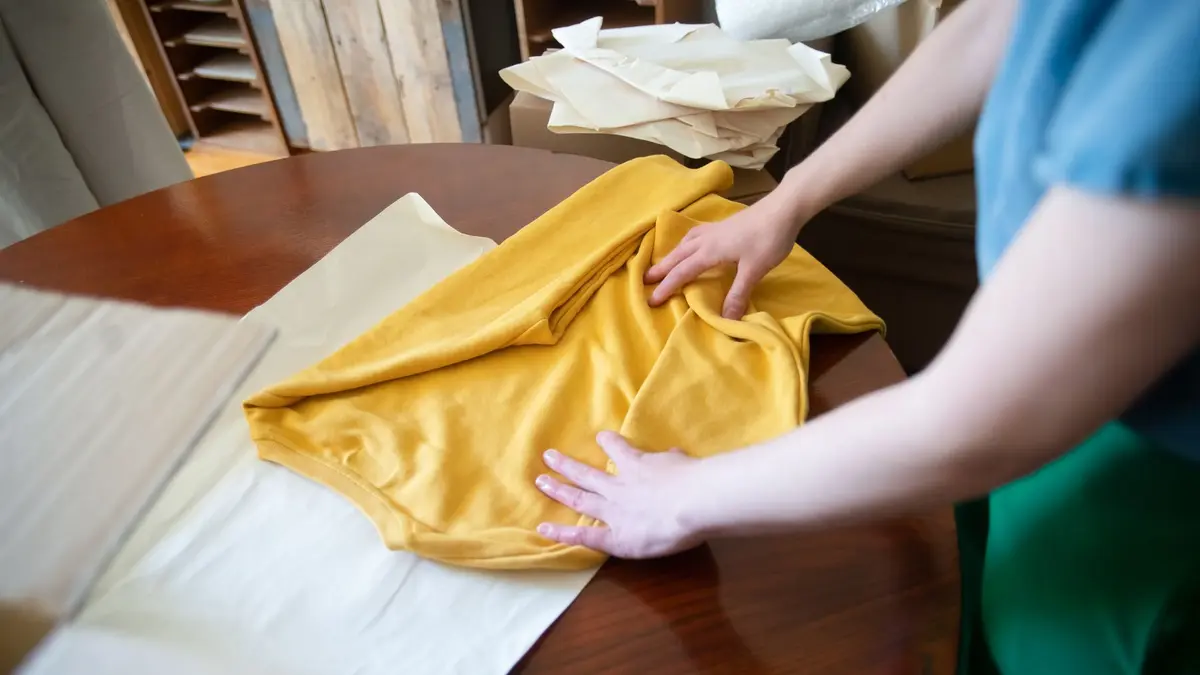
Laundry is one of the UAE's quietly essential industries. Busy households, a large population living in apartments without space for drying, a hospitality sector that runs on clean linen, and a culture where kanduras and abayas are expected to be immaculate all keep laundries busy. The business models are varied: neighbourhood shops with a counter and a van, app-based pickup and delivery services, industrial laundries serving hotels and hospitals, and premium dry cleaners handling delicate garments.
Despite the volume, much of the industry still runs on paper tickets, handwritten tags and phone calls. That leads to familiar problems: lost items, garments returned to the wrong customer, disputes over damage, missed pickups and invoices that do not match what was collected. Laundry management software is about tracking every item from the customer's door, through the plant, and back again.
Order intake and garment tracking
The heart of a laundry system is item-level tracking. When an order is received, at the counter or by a driver at the door, each item should be recorded by type, service (wash and iron, dry clean, press only), colour, brand where relevant, and any visible damage or stains. A tag with a barcode or QR code, or a heat-sealed label for longer-term use, links the physical garment to the order. Photos at intake of high-value or damaged items are one of the most effective ways of preventing disputes.
Inside the plant, items are scanned as they move through sorting, washing or cleaning, finishing, quality check and packing. That gives staff a live view of where each order is, and gives customers an accurate ready time. When an item goes missing, the scan history shows the last place it was seen.
Pickup and delivery
For most UAE laundries, pickup and delivery is now a core part of the service. The software needs to support it properly:
- Slot booking — customers choose pickup and delivery windows through an app, website or WhatsApp, with capacity limits per area and time slot.
- Route planning — drivers receive optimised routes grouped by community, which matters a lot in sprawling areas and on routes with Salik gates.
- Driver app — drivers see their stops, count and tag items at the door, capture photos and signatures, and collect payment if needed.
- Notifications — automatic messages for driver on the way, items received, order ready and out for delivery, which cut down on calls to the shop.
- Building access — notes for each address on gate passes, concierge drop-off and parking, so drivers are not stuck in lobbies.
Pricing, subscriptions and payments
Laundry pricing can be per item, per kilo, per bag, or by subscription. Many UAE services offer monthly plans for families or bachelors, with a set number of items or kilos, and premium pricing for express turnaround. The software should handle all of these, including add-ons such as stain treatment, folding versus hanging, and special garments such as wedding dresses, carpets, curtains and leather.
Payments by card, Apple Pay or payment link are standard; prepaid wallets and credits are common for subscription customers. Invoices must meet FTA VAT requirements, and corporate accounts need monthly statements rather than per-order invoices.
Commercial and hotel accounts
Hotel, hospital, restaurant and spa contracts are a different business from retail laundry. Volumes are high, items are usually linen and uniforms rather than personal garments, and the customer cares about piece counts, turnaround times, quality and rejection rates. The software should support par levels, soiled and clean counts per delivery, rewash tracking, uniform tracking by staff member where required, and monthly billing that the client's finance team can reconcile easily. Disputes over counts are common in this sector, so a clear record of what left the client and what came back is essential.
Hospital and healthcare linen may also carry infection control and handling requirements from the relevant health authority, such as DHA, DoH Abu Dhabi or MOHAP, so check what applies to your contracts and record the processes the client expects.
Plant operations
Larger laundries benefit from production tracking: machine loads, cycle times, chemical usage, utility consumption and staff productivity. Water and energy are significant costs, and tracking them per kilo processed is the only way to see whether changes in process or equipment are paying off. Laundry premises are also subject to municipal requirements on matters such as environmental standards and wastewater, which vary by emirate; keep licences and inspection records in the system with renewal reminders.
Customer experience and the app question
Many laundry owners ask whether they need their own app. For a growing pickup and delivery business with repeat customers, a well-built app or progressive web app does help: saved addresses, preferences such as starch level or fold versus hang, order history and one-tap reordering. For a neighbourhood shop, WhatsApp ordering with good back-office software may be enough. Arabic and English support is useful, particularly for services in areas with many Emirati households, where traditional garments need specific care instructions.
Customer data, including addresses and access instructions, falls under the UAE's personal data protection law, so collect only what you need and protect it.
Reports that help run the business
Orders and revenue per day by channel, average turnaround time, on-time delivery rate, items lost or damaged per thousand processed, rewash rate, cost per kilo processed, driver stops per hour, subscription retention, and revenue per commercial account against the cost of serving it. Those numbers show where to focus: whether the issue is the plant, the vans or the pricing.
Off-the-shelf or custom?
There are capable laundry and dry cleaning software products available, many cloud based, and for a typical retail laundry with pickup and delivery they can be a very reasonable choice. Try them before commissioning anything custom. Custom development tends to make sense when a business is building a branded consumer app as a core part of its growth, when commercial and hotel contracts need detailed counting and reconciliation, or when there are integrations with clients' systems that packaged products do not support. A hybrid, a packaged back office with a custom customer app or commercial module, is often the most cost effective path.
Rolling it out
Start with tagging and order tracking in the plant, because that solves the most painful problem, lost and mixed-up items. Add the driver app and customer notifications next, then subscriptions and the customer app. Migrate customer lists and active subscriptions, but do not try to import years of old paper tickets. Run old and new tagging side by side for a short period if necessary, but set a firm cut-over date.
At Zellarc, we start by following a garment through your process, from the door to the plant and back, and identifying where items and information get lost. Then we recommend the simplest system that fixes those points, whether that is a configured product, a custom build or a mix.
Frequently asked questions
Each item is tagged with a unique barcode or QR code at intake and scanned at each stage of processing. If an item goes missing, the scan history shows where it was last seen.
Yes. Good systems support per-item, per-kilo, per-bag and subscription pricing, along with add-ons, express charges and prepaid credits.
Not always. For a growing pickup and delivery service, a branded app helps with repeat orders. For smaller shops, WhatsApp ordering backed by good management software may be enough.
Yes, with features for piece counts, par levels, rewash tracking, uniform tracking and monthly statements that the client can reconcile against their own records.