Booking and Management Software for Salons and Spas in the UAE
Suneeb · Founder, Engineering & delivery
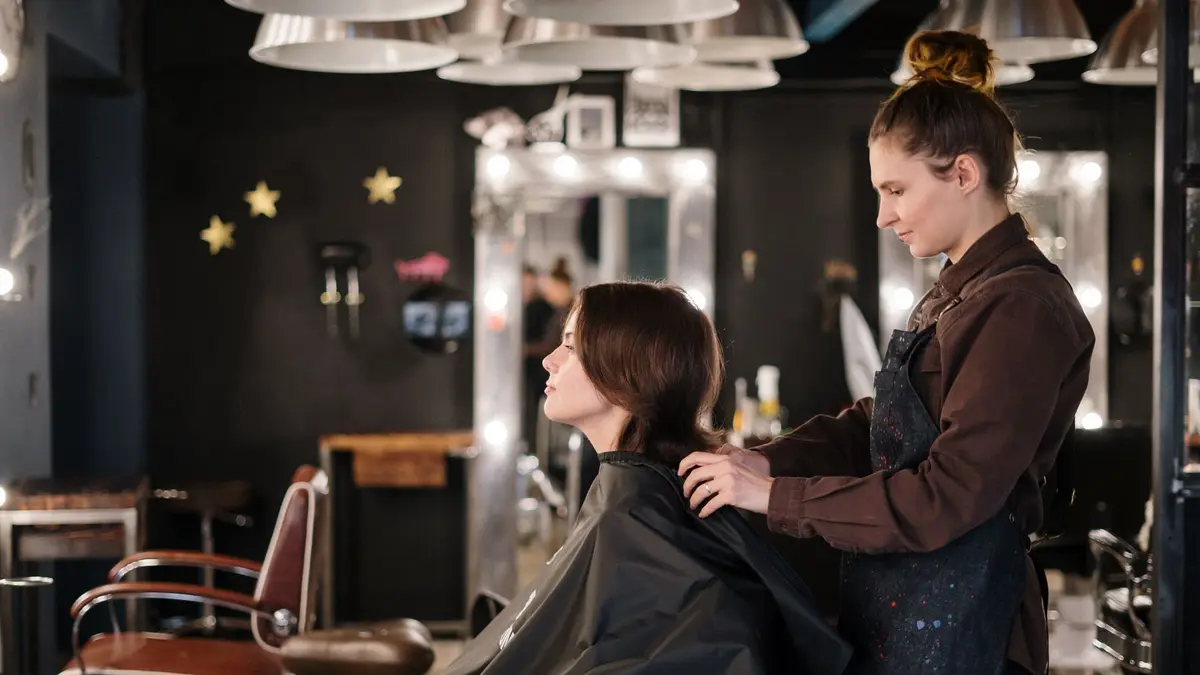
Salons, barbershops, nail bars and spas are among the most common businesses in the UAE, and also among the most competitive. A typical salon runs on tight appointment slots, a team of stylists or therapists with their own loyal clients, a retail shelf of products, and a phone and WhatsApp line that never stops. Clients expect to book at midnight from their phone, get a reminder the day before, and be greeted by name. Hotel and resort spas add another layer: room charges, guest packages and treatment rooms that are as much a constraint as the therapists.
When the booking diary lives in a paper book or a single tablet at reception, the business is capped by how fast the receptionist can answer messages. Good software takes that pressure off, fills gaps in the diary and gives the owner a clear view of who is busy, who is not and what each service actually earns.
Booking is a resource puzzle
Salon booking looks like a calendar problem, but it is really about matching several resources at once. A booking needs the right staff member with the right skills, a free chair, room or station, sometimes a specific piece of equipment, and enough time for the service including processing and clean-up. A colour service, for example, may have a gap in the middle where the stylist can take another client.
- Service catalogue — each service with duration, price by staff level, required resources and any buffer or processing time.
- Staff calendars — shifts, breaks, skills and days off, so the system only offers slots that can actually be delivered.
- Rooms and equipment — treatment rooms, couples suites, pedicure chairs and similar resources scheduled alongside people.
- Online booking — a booking page or app showing real availability, with deposits or card holds for longer or high-value services.
- Waitlists and gap filling — notifying clients when an earlier slot opens up, which recovers revenue from cancellations.
No-shows, deposits and cancellations
No-shows are an expensive habit in this industry. A missed two-hour treatment is revenue that cannot be recovered. Software helps in three ways: automated reminders by WhatsApp or SMS with a simple confirm or reschedule option, card holds or deposits for longer services, and a record of each client's no-show history so the front desk can apply the policy consistently. The tone of these messages matters, particularly for regular clients, and it is worth getting right in both Arabic and English.
Staff, commissions and payroll
Staff in salons and spas are usually paid partly on commission, sometimes on services and retail separately, with different rates by level or product. Calculating this by hand at month end is slow and causes disputes. The system should record who performed each service and sold each product, apply the commission rules automatically and produce a clear statement per person. That data then feeds payroll, which for most UAE businesses means processing salaries through the WPS.
Staff performance reports, such as rebooking rate, average ticket and retail attachment, are also useful for coaching, as long as they are used fairly.
Packages, memberships and gift cards
Prepaid packages (ten blow-dries, a course of facials, a monthly massage membership) are a strong way to secure revenue and loyalty, but they create liabilities that must be tracked. The system needs to hold balances per client, apply usage correctly, handle expiry and transfer rules, and show outstanding package value for accounting. Gift cards, often sold heavily around Mother's Day, Eid and the end of the year, need the same care, including VAT treatment that should be confirmed with your accountant.
UAE compliance and hygiene
Salons and spas operate under municipality health and safety requirements, and in Dubai, Dubai Municipality sets out rules on hygiene, sterilisation and staff health cards for beauty and personal care establishments. Some treatments, particularly anything medical or aesthetic such as certain laser or injectable procedures, fall under health regulators like DHA, DoH or MOHAP depending on the emirate, with different licensing and record-keeping rules. If you offer those services, check carefully with the regulator, because the software then has to handle clinical records rather than just bookings.
Software can support compliance in practical ways: recording staff certification and health card expiry dates, logging sterilisation and cleaning checks, and storing client consent forms and patch-test records for treatments that require them. As with any personal data, access should be limited and handling aligned with the UAE's PDPL.
Client experience and retention
Clients notice when a salon remembers them. A client profile with service history, preferred staff, colour formulas, allergies and notes lets any team member deliver a consistent experience. Automated rebooking prompts, birthday offers and "time for your next appointment" messages bring clients back without anyone needing to remember to send them. Loyalty points can work, but simple, personal communication often matters more.
For hotel spas, integration with the property management system lets guests charge treatments to their room, and spa packages can be sold as part of hotel stays. That integration is often the deciding factor when choosing a spa system.
What to measure
The key figures for a salon or spa are utilisation of staff and rooms, average ticket, retail sales per client, rebooking rate, new versus returning clients, no-show and late-cancellation rates, and outstanding package and gift card liabilities. Looking at utilisation by hour and day shows when to run promotions and how to plan shifts.
Off-the-shelf usually comes first
Salon booking is a well-served market, and for most single salons and small groups a reputable off-the-shelf platform is the right answer. They handle online booking, reminders, point of sale and basic reporting at a reasonable monthly fee. We would advise most salon owners to start there.
Custom development is worth considering for larger groups with many branches and brands, spas within hotels that need deep PMS integration, businesses combining beauty and medical aesthetics with stricter record-keeping, or companies that want a fully branded app and loyalty programme. Building custom integrations around an existing platform, rather than replacing it, is often the most cost-effective path.
Switching systems
The main risks when switching are losing future bookings, client history and package balances. Migrate those first, check them carefully, and run both systems in parallel for future appointments until staff are confident. Train reception and staff on the new system before launch, and tell clients about any change to how they book.
When we help salons and spas, we start with the diary and the front desk, because that is where the day is won or lost. The aim is software that takes routine messages and calculations off the team so they can spend more time with clients.
Frequently asked questions
Automated reminders with easy confirm or reschedule options, deposits or card holds for longer services, and a record of client no-show history. Together these usually make a noticeable difference.
Yes. If each service and product sale is recorded against the staff member, commission rules can be applied automatically and produce statements for payroll.
Often yes. Medical and aesthetic treatments may fall under health regulators and require clinical records, consent and stricter data handling that a standard salon system may not provide.
Clients can receive booking links, reminders and confirmations on WhatsApp, and with the right integration you can automate part of the booking conversation. Staff should still be able to step in when needed.