PDPL Data Protection for UAE Travel Agencies
Suneeb · Founder, Engineering & delivery

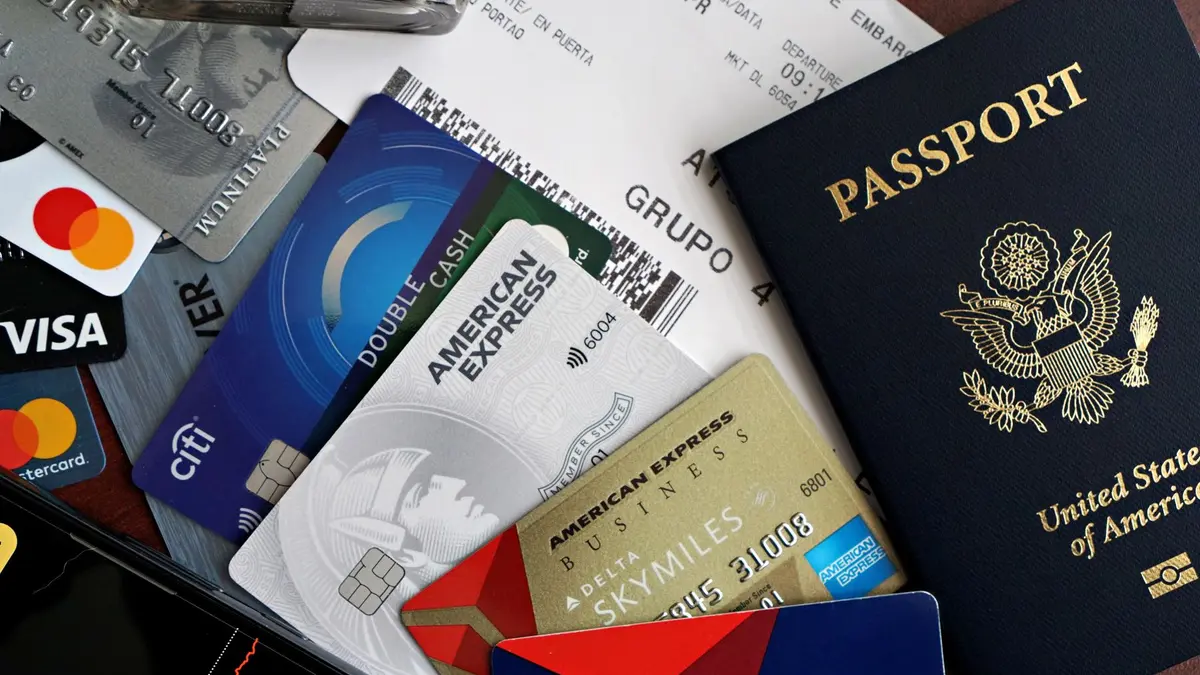
For a UAE travel agency, the PDPL (the UAE Personal Data Protection Law, Federal Decree-Law No. 45 of 2021) affects almost every part of daily work, because travel runs on personal data: names, passport copies, Emirates IDs, dates of birth, contact details, payment information and sometimes health or religious information for Umrah and medical travel. In practical terms, PDPL compliance for a travel agency means knowing what data you hold and why, collecting only what you need, getting proper consent for marketing, sharing data with suppliers carefully, securing it properly, and being able to respond when customers ask about their data.
This article is a practical overview for agency owners and managers, focused on systems and processes. It is not legal advice. Implementing regulations and guidance continue to develop, and businesses in DIFC and ADGM are subject to their own data protection regimes, so check your position with a qualified adviser.
Why the PDPL matters so much for travel agencies
Few small businesses handle as much sensitive personal data as a travel agency. Consider a typical day in a Dubai or Sharjah agency:
- Passport and Emirates ID copies — collected on WhatsApp for visa applications and ticketing, often saved on staff phones and shared drives.
- Family details — children's names, ages and passport data for family holidays and Umrah groups.
- Payment data — card details for bookings, sometimes taken over the phone.
- Sensitive information — medical needs, dietary or religious requirements, and data for medical tourism bookings.
- Data shared onwards — with airlines, GDS systems, hotels, DMCs, visa service providers and insurers, many of them outside the UAE.
This combination means a data breach or careless handling can cause real harm to customers and serious reputational damage to the agency.
Core PDPL principles every travel agency should apply
The PDPL follows principles similar to other modern data protection laws. In travel terms:
- Lawful and transparent processing — tell customers what you collect, why, and who you share it with, usually through a clear privacy notice.
- Purpose limitation — data collected for a visa application should be used for that purpose, not quietly reused for unrelated marketing.
- Data minimisation — do not ask for passport copies for a simple holiday quote.
- Accuracy — keep passenger names and details correct, which also prevents costly ticketing errors.
- Storage limitation — delete or anonymise documents once they are no longer needed, subject to legal retention requirements.
- Security — protect data with appropriate technical and organisational measures.
- Data subject rights — be able to respond when customers ask to access, correct or delete their data, or object to marketing.
The biggest PDPL risks in a typical travel agency
Passport copies on WhatsApp and personal phones
The most common risk is also the most convenient habit. Customers send passport photos on WhatsApp, consultants save them to their phone galleries, forward them to colleagues and suppliers, and never delete them. If a phone is lost or a staff member leaves, that data goes with them. Using a business WhatsApp setup connected to a central system, and moving documents into a secure document store, reduces this risk significantly.
Shared drives and email attachments
Passport scans stored in shared folders with no access control, or sent repeatedly as email attachments, are another frequent weakness.
Cross-border transfers to suppliers
Travel inherently involves sending data abroad, to hotels, airlines and partners. The PDPL has provisions on cross-border transfers, so understand which suppliers receive data, where they are, and what contractual protections are in place. Take advice on how the transfer rules apply to your supplier relationships.
Marketing without consent
Adding every customer to WhatsApp broadcasts and email campaigns without clear consent is a compliance and reputation risk. Marketing consent should be recorded, and opting out should be easy.
PDPL compliance for a travel agency: a step-by-step plan
- Map your data — list what personal data you collect, where it comes from, where it is stored, who can access it and who you share it with.
- Remove unnecessary collection — stop collecting data you do not need at each stage of the booking.
- Update your privacy notice — make it clear, specific to travel, and available on your website and in booking communications.
- Centralise documents — move passport and ID copies into a secure system with access control, instead of phones and shared folders.
- Set retention rules — decide how long each type of document is kept and automate deletion where possible.
- Review supplier arrangements — check contracts and data handling with key suppliers, especially those outside the UAE.
- Record marketing consent — capture opt-ins and opt-outs in your CRM and respect them across email, SMS and WhatsApp.
- Prepare for requests and incidents — define how you respond to data access requests and what happens if there is a breach.
- Train staff — most data protection failures in travel come from everyday habits, not sophisticated attacks.
How your travel software should support data protection
Good systems make compliance the default rather than a matter of discipline. When reviewing or building travel software, look for:
- Role-based access — consultants see the bookings they handle; only authorised staff see full passport data.
- Secure document storage — encrypted storage for passport and ID scans, with download and view logging.
- Audit trails — records of who accessed or changed customer data.
- Retention automation — scheduled deletion or anonymisation of documents after a set period.
- Consent management — fields and workflows for marketing consent, linked to all messaging tools.
- Secure sharing with suppliers — sending only the data each supplier needs, through secure channels rather than open attachments.
- Encrypted hosting and backups — with clear knowledge of where data is stored. Our guide to cloud hosting for UAE travel booking platforms covers hosting and data location choices.
Visa workflows are particularly document-heavy; our article on visa processing software for UAE travel agencies discusses how to handle applicant documents within a structured system. Likewise, a well-structured travel CRM is usually where consent and customer records should live.
Card payments and PCI DSS
Payment card data is covered by the PCI DSS standard as well as data protection law. The simplest way to reduce risk is not to handle card numbers yourself: use hosted payment pages or payment links from your gateway, and avoid taking card details over the phone or WhatsApp and writing them down. If your booking engine stores or processes card data directly, the compliance burden increases considerably.
How Zellarc approaches data protection in travel systems
When we build or extend travel platforms, we design data protection into the structure: role-based access, secure document storage, audit logs, consent records and sensible retention. We work alongside your legal advisers rather than replacing them, and we are practical about what is proportionate for an agency of your size. Our cloud and DevOps services cover secure hosting, backups and monitoring.
Frequently asked questions
The PDPL applies broadly to processing of personal data in the UAE, with certain exclusions, including for entities in free zones with their own data protection laws such as DIFC and ADGM. Most onshore travel agencies should assume it applies and take advice on any specific exemptions or thresholds.
Many do, but it creates risk if copies stay on personal phones and are forwarded freely. A safer approach is a business WhatsApp setup connected to a central system, with documents moved into secure storage and deleted from devices.
Only as long as needed for the purpose they were collected for, plus any period required by other laws or regulators. Set a clear retention period for each document type with your adviser and automate deletion where possible.
You should have a clear basis for marketing messages, and in practice that usually means recorded opt-in consent. WhatsApp's own business policies also require opt-in for business-initiated messages, so consent should be tracked in your CRM.
Sharing data with suppliers is necessary to deliver travel services, but cross-border transfers are addressed in the PDPL. Agencies should understand where data goes, share only what is needed, and take legal advice on the transfer rules and supplier contracts.