Digital Systems for Dental Clinics in Dubai
Suneeb · Founder, Engineering & delivery
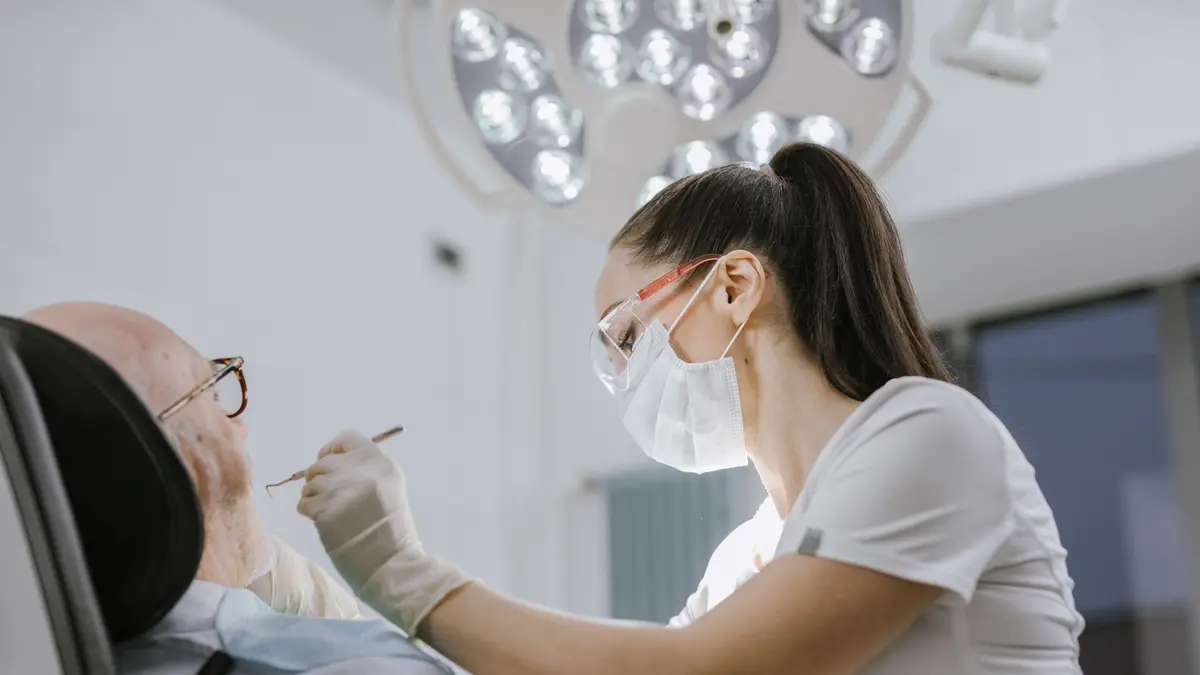
Dental clinics are a distinct kind of healthcare business. Treatment happens over multiple visits, a significant share of it is self-paid or only partly covered by insurance, and the commercial health of the practice depends on patients coming back for check-ups, hygiene appointments and the next phase of their treatment plan. A general clinic system that thinks in single consultations misses most of what makes a dental practice work.
Dubai's dental market is also crowded. Patients compare clinics on reviews, convenience and price, and they expect online booking, clear cost estimates and quick replies. The practices that do well tend to be the ones whose systems make the patient journey feel organised, from the first enquiry to the six-monthly recall.
What dental software has to do that general clinic software does not
The clinical heart of a dental system is the chart. Dentists record findings tooth by tooth and surface by surface, and treatment is planned the same way. That needs a visual odontogram, not a free-text notes field.
- Charting and odontogram — recording existing restorations, findings and planned treatment per tooth, with a history that shows how the mouth has changed over time.
- Treatment plans and estimates — multi-phase plans with costs per item, alternative options, and what insurance is expected to cover versus what the patient pays.
- Patient acceptance tracking — knowing which plans were presented, accepted, partly completed or abandoned, because unscheduled treatment is lost revenue and often unmet clinical need.
- Imaging — linking intraoral X-rays, OPGs, CBCT scans and intraoral photographs to the patient record, ideally through integration with the imaging software rather than manual uploads.
- Lab work — tracking crowns, bridges, aligners and dentures sent to external labs, with due dates tied to the patient's next appointment so nobody arrives for a fit that has not been delivered.
- Recalls and hygiene — automated reminders for check-ups and cleanings, which is where much of a practice's repeat business comes from.
Regulation, records and insurance in Dubai
Dental clinics in Dubai are licensed by the Dubai Health Authority (DHA), and the same expectations around clinical documentation, patient data protection and health information sharing that apply to medical clinics apply here. Dubai's health information exchange, NABIDH, is designed to connect licensed facilities, so a dental system needs to be able to produce structured, coded records rather than only scanned notes. In Abu Dhabi, the Department of Health (DoH) and Malaffi play the equivalent roles. Requirements evolve, so confirm the current position with the regulator before choosing a system.
Insurance in dentistry is more varied than in general practice. Some plans cover a range of dental treatment, others cover very little, and pre-approval is common for higher-value procedures. The software should make cover visible at the point of planning, so the patient hears the real out-of-pocket cost before treatment starts. Few things damage trust faster than an unexpected bill after the appointment.
The patient journey is a sales process, and that is fine
Dentists are sometimes uncomfortable with the idea, but a large part of a dental practice's success depends on the same things that drive any service business: responding to enquiries quickly, explaining options clearly, following up, and making the next step easy. Software can support that without making the clinic feel like a sales floor.
Useful features include online booking for new patients and hygiene appointments, WhatsApp confirmations and reminders, digital consent and medical history forms completed before arrival, and follow-ups on treatment plans that were presented but never booked. All of it needs to work in both Arabic and English. For cosmetic and orthodontic treatment, where patients compare several clinics, clear written estimates and a smooth payment experience, including instalment options where the clinic offers them, make a visible difference.
The numbers a practice owner should see
Most dental practice owners know their monthly revenue. Fewer can quickly see the figures that explain it. A well-built system should show:
- Chair utilisation by dentist, hygienist and day, so gaps in the schedule are visible.
- Treatment plan acceptance — how much treatment was proposed versus booked and completed.
- Recall effectiveness — the share of patients who return for their scheduled check-up.
- New patient sources — which channels bring patients who actually proceed with treatment.
- Insurance receivables and rejections by payer.
- Lab costs per case, which quietly erode margins on prosthetic work if nobody watches them.
These figures are only reliable if the clinical and administrative data live in one place. When charting is in one system, billing in another and reminders in a third, nobody trusts the reports.
Buying versus building
There is mature dental practice software on the market, and a single-site practice with standard workflows will usually be better off with a good off-the-shelf system configured properly than with a custom build. The test is whether it handles DHA requirements, insurance in the UAE, Arabic, and the imaging equipment you use.
Custom development makes more sense for multi-branch dental groups that want centralised booking, shared patient records across sites and group-level reporting, for practices that want a branded patient app, and for groups combining dental with other specialties. In those cases the usual pattern is a reliable clinical system at the core, with a custom booking layer, patient app, integrations and reporting built around it.
Moving to a new system
The hardest part of switching dental software is the data. Years of charts, X-rays and treatment history need to move across intact, and older systems do not always export cleanly. Plan migration early, test it with real patient records, and decide what is migrated in full and what is archived for reference.
Go live in a quieter period if you can, train front desk and clinical staff separately, and keep a senior person on hand during the first weeks to resolve questions fast. Expect a short dip in efficiency; it recovers quickly when the system fits the way the clinic actually works.
When we work with dental clinics at Zellarc, we start by sitting with the front desk and the dentists to understand how a patient moves through the practice, then decide what to configure, what to integrate and what, if anything, needs to be built. The goal is a system the team uses willingly, not one they work around.
Frequently asked questions
It can handle appointments and billing, but most general systems lack proper tooth-level charting, multi-phase treatment planning, lab tracking and recall management. Dental practices usually need either dedicated dental software or significant customisation.
Ideally yes. Linking imaging directly to the patient record saves time and reduces the risk of attaching images to the wrong patient. Check which imaging software and equipment a system supports before committing.
Regular check-ups and hygiene visits are a major source of repeat business and early detection of problems. Automated WhatsApp or SMS reminders keep those appointments booked without relying on staff to chase every patient manually.
Licensed facilities in Dubai are generally expected to connect to NABIDH. The specific requirements and timelines can change, so confirm the current position with the Dubai Health Authority.